Renters vs. Homeowners Insurance: What's the Difference?
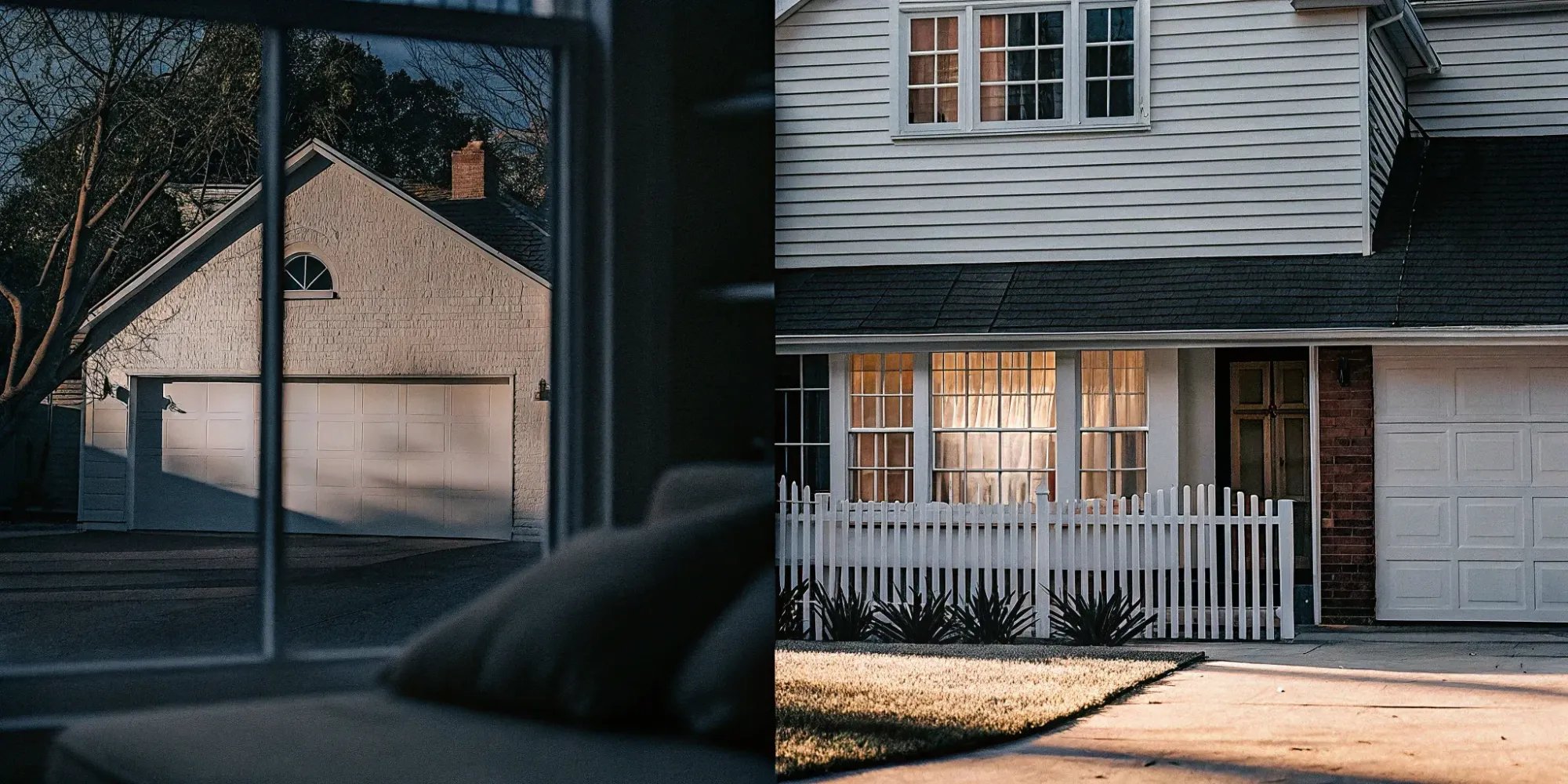
Renters insurance and homeowners insurance can both protect belongings, provide personal liability coverage, and help with additional living expenses after a covered loss. The main difference is the building: homeowners insurance typically includes coverage for the home you own, while renters insurance does not insure your landlord's building.
If you rent an apartment or a house, start by looking at renters insurance. If you own and live in a house, start with homeowners insurance. The right policy also depends on how the property is used; a condo, a rental property you own, or a short-term rental may need a different policy.
Key Takeaways
- Renters and homeowners have different building responsibilities. Renters insurance focuses on the tenant's belongings and other personal coverages; homeowners insurance typically also covers the dwelling and other structures.
- A landlord's policy is not a substitute for a tenant's policy. It generally does not insure the tenant's personal belongings.
- Coverage is not unlimited or automatic. Compare covered causes of loss, limits, deductibles, exclusions, and how claims are valued—not just the premium.
Renters vs. Homeowners Insurance: What Are the Core Differences?
What Does Each Policy Actually Cover?
Here is a general comparison. Actual coverage depends on the policy and any endorsements.
Feature | Renters insurance | Homeowners insurance |
|---|---|---|
Typical policyholder | Someone renting an apartment, house, or other eligible residence | Someone who owns and lives in the insured home |
Dwelling and other structures | Does not insure the landlord's building | Typically covers the dwelling and certain other structures against covered damage |
Personal belongings | Typically covers the tenant's insured belongings against covered causes of loss | Typically covers the homeowner's insured belongings against covered causes of loss |
Personal liability | May cover certain injuries or property damage for which an insured is legally responsible | May cover certain injuries or property damage for which an insured is legally responsible |
Additional living expenses | May cover necessary increases in living expenses when a covered loss makes the rental uninhabitable | May cover necessary increases in living expenses when a covered loss makes the home uninhabitable |
Coverage limits | Personal property, liability, and loss-of-use limits are listed in the policy | Dwelling, other structures, personal property, liability, and loss-of-use limits are listed in the policy |
Comparing Costs: What Influences the Price?
Renters insurance generally costs less than homeowners insurance because it does not insure the building. That does not make the policies interchangeable: a lower-priced renters policy cannot replace the dwelling protection a homeowner needs.
Your price depends on the address, coverage choices, deductible, insurer, and other permitted rating factors. A homeowners quote also reflects factors such as the home's construction and estimated rebuilding cost. Compare personalized quotes with similar coverage rather than relying on a national average or a promise that everyone will pay the same price.
Renters Insurance Explained: Your Essential Guide
Protecting Your Belongings: What's Covered?
Renters insurance typically covers insured belongings such as furniture, clothing, and electronics when a covered cause of loss damages them or they are stolen. A fire or a theft may qualify; damage is not covered just because it happened inside your rental. Limits, deductibles, exclusions, and special limits for particular types of property still apply.
For example, if a covered fire damages an apartment and its contents, the landlord's property policy may address covered building repairs. The tenant's renters policy may address covered damage to the tenant's belongings. These are separate claims under separate contracts.
Understanding Your Liability Protection
Personal liability coverage may help with covered claims and legal defense when an insured is legally responsible for injury to someone else or damage to their property. A guest's injury does not automatically mean you are liable or that a claim is covered. Policy exclusions and the facts of the incident matter.
Medical payments to others, when included, is a separate coverage with its own limits and conditions. Do not assume it works the same way as personal liability coverage or replaces health insurance.
When You Can't Stay Home: Additional Living Expenses
Additional living expenses, often part of loss-of-use coverage, may help with necessary increases over your normal living costs if a covered loss makes your rental uninhabitable. Examples can include temporary lodging and the extra cost of meals when you cannot use your kitchen. It does not mean every hotel bill, meal, or ordinary rent payment is reimbursed. Check the covered trigger, dollar limit, time limit, and documentation requirements.
Why Renters Insurance Costs Less
A renter usually needs to insure belongings and personal risks, not pay to rebuild the landlord's entire building. That narrower property exposure helps explain the price difference. Choose enough protection for your needs rather than treating the lowest premium as the only goal.
Homeowners Insurance: A Look at Comprehensive Coverage
Covering Your Home and Other Structures
Homeowners insurance typically includes dwelling coverage and coverage for certain other structures, such as a detached garage. It covers specified damage, not every repair a home might need. Routine maintenance and wear and tear generally are not insured losses.
Dwelling coverage concerns the building; it is not insurance for the purchase value of the land. Discuss the estimated rebuilding cost with your insurer rather than assuming the home's sale price is the right dwelling limit.
Protecting Possessions and Covering Liability
Homeowners policies also commonly include personal property, personal liability, medical payments to others, and loss-of-use coverage. These coverages have their own terms and limits. The NAIC's homeowners insurance overview explains these common components and why reviewing the actual policy matters.
What Drives Up Homeowners Insurance Costs?
Insuring a building adds a substantial exposure that a renters policy does not take on. Its size, construction, location, and rebuilding cost can affect the premium, alongside coverage choices and other permitted rating factors. A higher homeowners premium does not mean every cause of damage is covered.
Insurance Rules: What's Legally Required?
Is Renters Insurance Ever Required?
A lease may require renters insurance or particular liability limits, subject to applicable law. Read your lease and check local requirements rather than assuming the rules are the same everywhere. A landlord's insurance requirement does not tell you how much personal property coverage you need.
When Homeowners Insurance is a Must
Mortgage lenders generally require homeowners insurance to protect the property securing the loan, as the Consumer Financial Protection Bureau explains. Check your loan agreement and lender's requirements. Even without a mortgage requirement, a homeowner still faces the financial risk of damage to the home.
Insurance Myths: Let's Set the Record Straight
What Your Landlord's Insurance Doesn't Cover
A landlord generally insures their building and their own risks—not the tenant's belongings or personal liability. Renting a whole house instead of an apartment does not change that basic distinction.
Clearing Up Confusion: What Your Policy Really Includes
Neither type of policy covers everything. Standard policies generally exclude flood and earthquake damage unless additional coverage applies. A burst pipe and water entering from an external flood are not the same cause of loss. Even where a cause of loss can be covered, exclusions and conditions still matter.
Consider the difference in these situations:
- Theft: A policy may cover stolen insured belongings, subject to the deductible, settlement terms, and any special limits. It does not guarantee the full purchase price of every item.
- Fire or water damage: Covered damage to a tenant's possessions and covered damage to a landlord's building belong under different policies. Whether water damage is covered depends on its cause and the contract.
- A guest's injury: Personal liability and medical payments to others are different coverages. Report the facts to your insurer rather than assuming either coverage will pay automatically.
How to Choose the Right Insurance for You
Figure Out What You Need: Renter vs. Homeowner
Start with ownership and occupancy, then consider what you need to protect. A tenant may need renters insurance whether renting a house or an apartment. An owner who lives in the home generally needs homeowners coverage; an owner who rents the property to others should discuss landlord or other appropriate coverage with an insurer. Do not substitute tenant renters insurance for an owner's building coverage.
Know Your Policy: Limits and Exclusions
Use a home inventory to estimate the cost of replacing your belongings. Review special limits for valuables and ask whether additional coverage is appropriate. Select liability protection separately from your personal property limit.
Check loss-of-use coverage separately, too. Its dollar limit may be a specified amount or tied to another coverage, and there may also be a time limit. Do not assume a renters policy and a homeowners policy with similar personal property limits provide the same temporary-housing protection.
Replacement Cost vs. Actual Cash Value
Actual cash value generally accounts for depreciation. Replacement cost coverage generally bases settlement on replacing an item with one of similar kind and quality without a depreciation deduction, subject to policy terms. Payment timing, replacement requirements, deductibles, and limits can still affect what you receive.
For an older laptop, an actual-cash-value settlement may be lower than the cost of a comparable new replacement. Replacement cost coverage does not mean an unlimited upgrade. Read more about actual cash value and replacement cost, and confirm the method your own policy uses.
Get the Most from Your Insurance Policy
Smart Tips for Renters: Maximize Your Coverage
Compare policies using the same personal property and liability limits, settlement method, and applicable deductibles. Ask what loss-of-use coverage includes, which exclusions apply, and whether particular belongings need additional coverage. Save your inventory and receipts somewhere you can access if your home is damaged.
If you are switching policies or moving, coordinate effective dates and address changes with your insurer to avoid an unintended gap. Do not cancel existing coverage before confirming when replacement coverage begins.
Homeowners: Make Sure You Have Enough Coverage
Review rebuilding estimates, belongings, liability, and loss-of-use limits with your insurer. Revisit coverage after renovations or major purchases. Ask about any additional protection needed for the way you use the property, rather than assuming an owner-occupied policy covers a business or rental use.
Related Articles
- Does Your Renters Policy Cover Wildfire Damage? | Goodcover
- Renters Insurance for Roommates: Can You Share a Policy?
- Why is Renter's Insurance Required by some Landlords? | Goodcover
- Renters Insurance Facts: Debunking Common Myths | Goodcover
Frequently Asked Questions
What is the main difference between renters and homeowners insurance? Homeowners insurance typically includes coverage for the dwelling an owner lives in. Renters insurance does not insure the landlord's building. Both types can include belongings, personal liability, and additional living expenses coverage, subject to their terms.
Does my landlord's insurance cover my belongings? Generally, no. The landlord's policy protects the landlord's property and risks. A tenant's own policy can protect insured belongings against covered losses.
Is renters insurance only for apartments? No. Someone renting a house may also need renters insurance. The key distinction is whether you rent or own the home, along with how it is occupied and used.
Why is renters insurance usually cheaper? It generally does not insure the building or its rebuilding cost. Actual premiums depend on your circumstances and coverage choices; one advertised price will not apply to everyone.
Do both types help if I cannot stay at home after a loss? They commonly include loss-of-use coverage, which may pay necessary increases in living expenses after a covered loss. Check the trigger, eligible expenses, dollar limit, and time limit in the policy.
Can I need both renters and homeowners insurance? Possibly, if you own one home but rent and live somewhere else. Tell your insurer about each residence and who occupies it. The right combination depends on the properties, occupancy, and policy terms; neither policy automatically covers every location or use.